

Information & Support
What is genetic counselling?
Genetic counselling is a process where healthcare professionals help you understand and adapt to the medical, psychological, and familial implications of genetic contributions to disease. It involves assessing your personal and family history, exploring your risk, and discussing the pros and cons of genetic testing.
What are genes?
Genes are the body's instructions and they determine how the body develops and works. We inherit genes in pairs—one from each parent. Sometimes, a gene has a fault (pathogenic variant) that prevents it from working correctly and can cause disease.
How are pathogenic variants inherited?
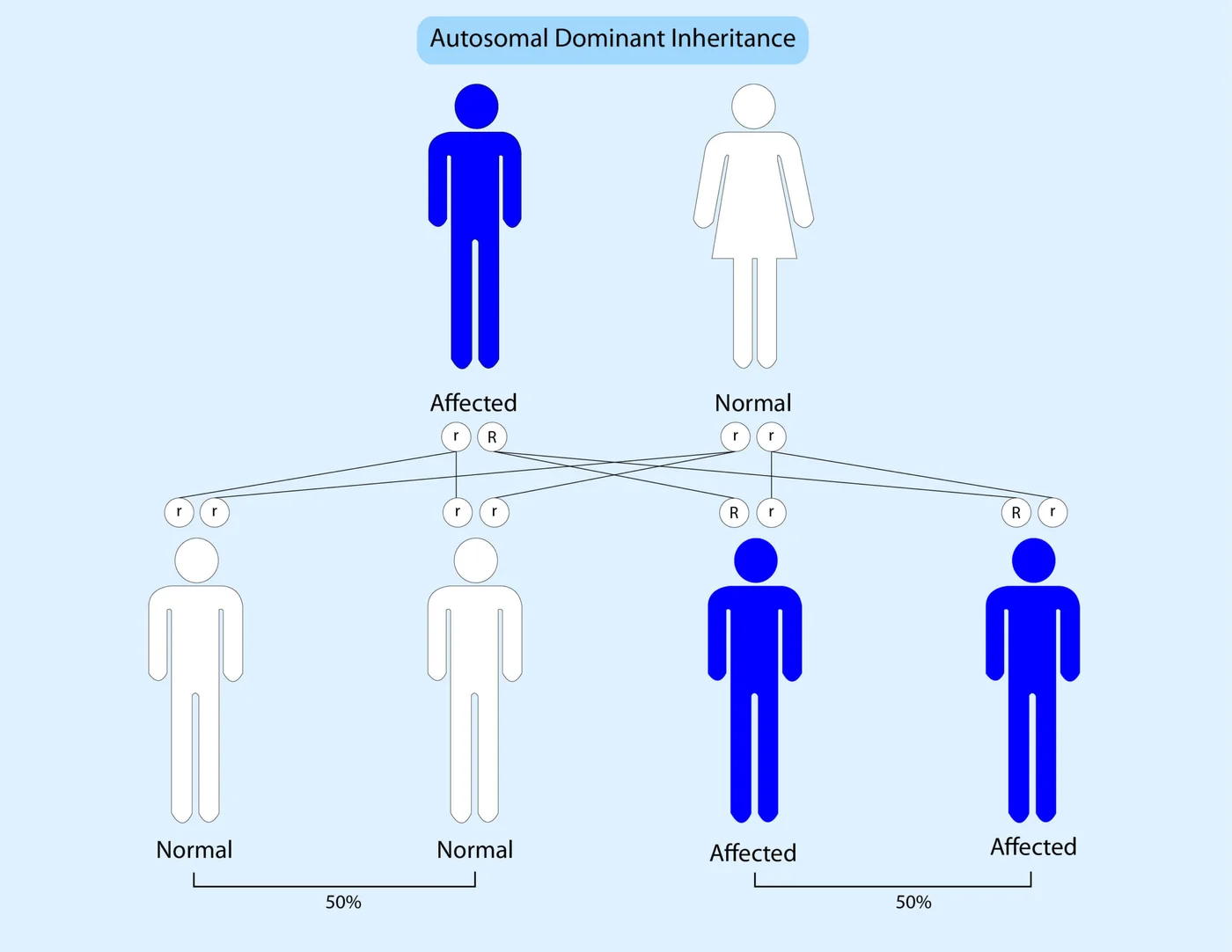
Autosomal Dominant
Only one pathogenic variant (gene fault) is needed for the condition or increased risk to be present. Each child of an affected parent has a 50% chance of inheriting the pathogenic variant.
Autosomal Recessive
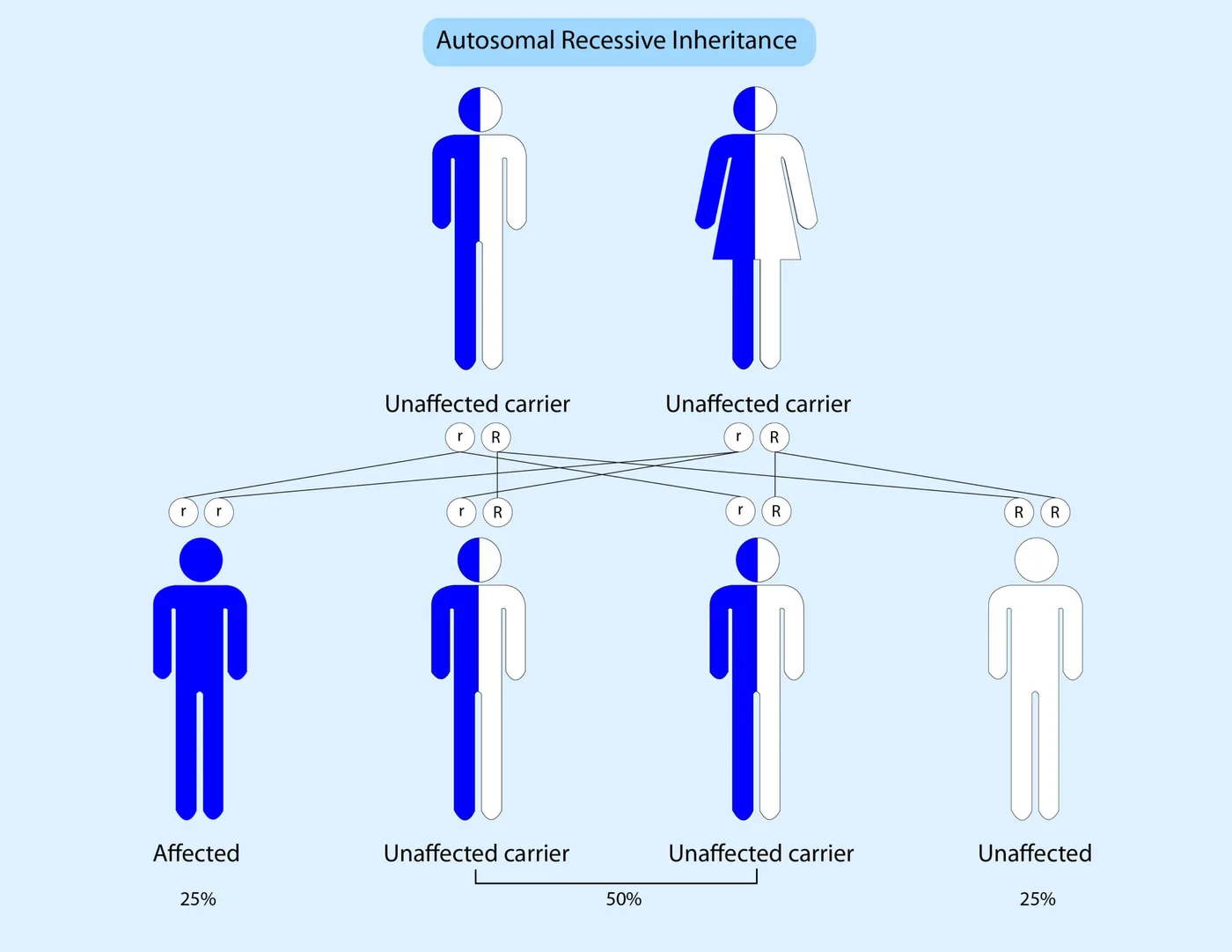
Two pathogenic variants (one from each parent) are required to have the condition. Parents are typically unaffected carriers.
When both parents are carriers, children have:
- 25% chance of having the condition
- 50% chance of being a carrier
- 25% chance of not inheriting the variant
X-Linked
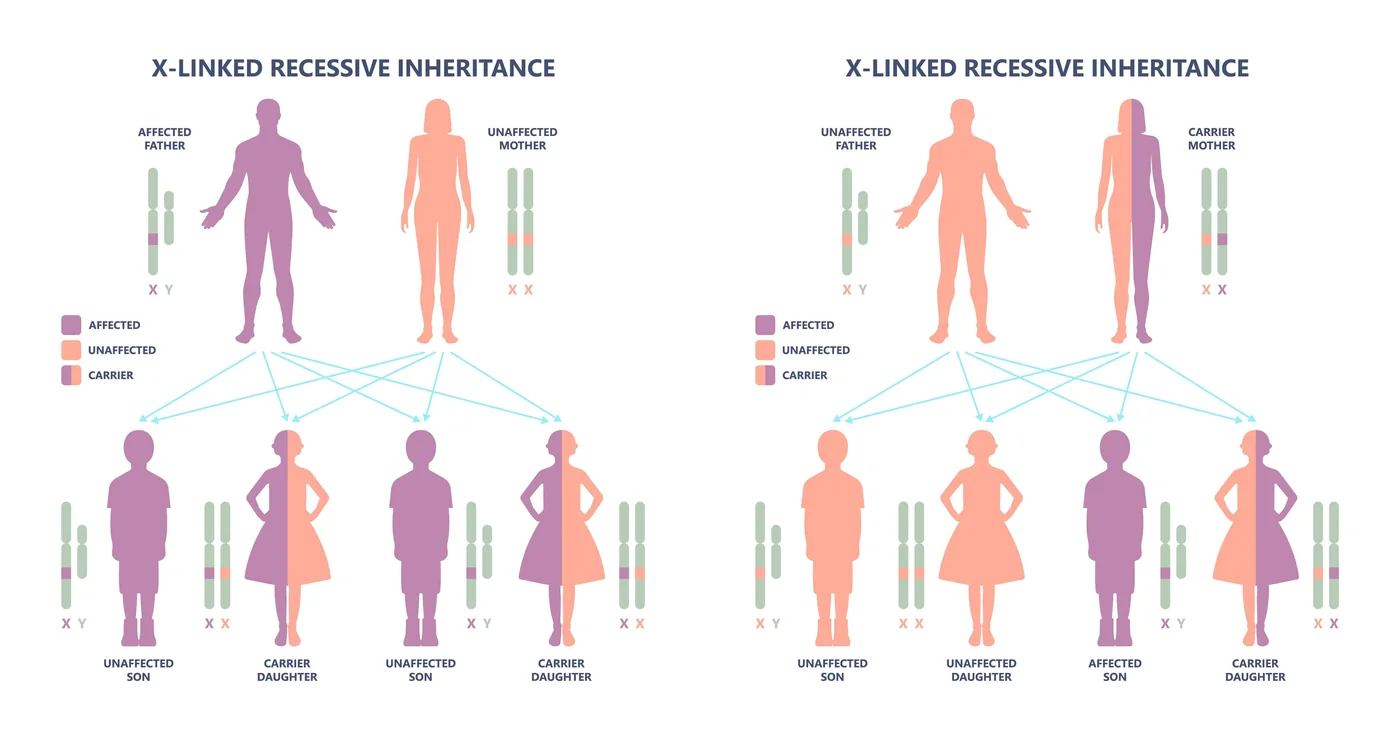
The faulty gene is on the X chromosome. Because males have one X and one Y chromosome, a single pathogenic variant on the X gene causes the condition.
What are the possible results?
- Pathogenic Variant Found: A genetic fault is identified that is known to cause disease.
- Variant of Uncertain Significance (VUS): A genetic change was found, but it is not yet known if it affects health. This is not used to determine surveillance or treatment.
- Negative / Normal: No pathogenic variants were found in the genes tested.
- Carrier Status: You carry one copy of a recessive pathogenic variant. It doesn't usually affect your health but can be passed to your children.
Inherited Cancer Conditions
Below is a guide to some of the inherited conditions that can increase the risk of cancer, and the screening or management that may be considered.
Breast and ovarian cancer risk genes
Bowel cancer risk conditions
Signs of Cancer
Signs of breast cancer
- a new lump or thickening in your breast or armpit
- a change in size, shape or feel of your breast
- skin changes in the breast such as puckering, dimpling, a rash or redness of the skin
- fluid leaking from the nipple in a woman who isn't pregnant or breastfeeding
- changes in the position of the nipple
Signs of prostate cancer
- passing urine more often
- getting up during the night to empty your bladder (nocturia)
- difficulty passing urine – this includes a weaker flow, not emptying your bladder completely and straining when starting to empty your bladder
- urgency
- blood in your urine or semen
Signs of bowel (colorectal) cancer
- bleeding from the back passage (rectum) or blood in your poo
- a change in your normal bowel habit, such as looser poo, pooing more often or constipation
- a lump that your doctor can feel in your back passage or tummy (abdomen), more commonly on the right side
- a feeling of needing to strain in your back passage (as if you need to poo), even after opening your bowels
- losing weight
- persistent pain in your abdomen or back passage
- tiredness and breathlessness caused by a lower than normal level of red blood cells (anaemia)
Signs of ovarian cancer
Symptoms of ovarian cancer include frequently (roughly 12 or more times a month) having:
- a swollen tummy or feeling bloated
- pain or tenderness in your tummy or the area between your hips (pelvic pain)
- no appetite or feeling full quickly after eating
- an urgent need to pee or needing to pee more often
Other symptoms of ovarian cancer can include:
- indigestion
- constipation or diarrhoea
- back pain
- feeling tired all the time
- losing weight without trying
- unusual bleeding from the vagina, including between periods, heavier periods or after the menopause
Lifestyle Factors
It is known that a healthy diet can promote good general health and lower the risk of cancer. In particular, maintaining a normal body weight and avoiding abdominal weight gain will lower the risk of cancer. Avoiding smoking, limiting alcohol intake and doing regular physical exercise will also lower the risk of cancer.
External Support Resources
For information about specific inherited conditions please go to East Genomics Patient Information.
Videos about BRCA can be found at: SWGenomics YouTube Channel.